 Power to The Bakers.
Types of Flour for Commercial & Industrial Baking
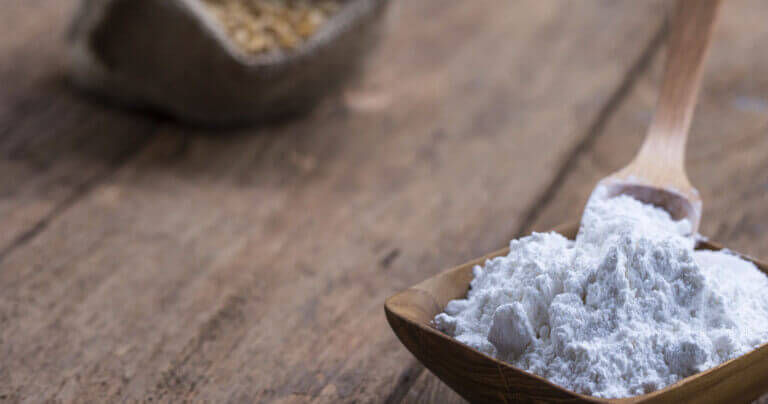
1. Bread Flour / High-Gluten Flour
Milled from hard wheat with a high protein content, making it higher in gluten. Its elevated gluten level (typically 12–14% protein) provides dough with greater strength and elasticity—qualities prized by artisan bakers.
Uses: Bread, bagels, kaiser rolls, hearth breads, hoagies, pizza crusts, Italian, French, or Jewish breads, and frozen doughs.
2. All-Purpose Flour
A blend of hard and soft wheat that may be bleached or unbleached. Often referred to as “plain flour,” all-purpose flour typically contains 8–11% protein (gluten). Bulk all-purpose flour is one of the most widely used and readily accessible flours in the United States.
3. Yoshen Flour
A Kosher-certified flour derived from wheat, oats, spelt, rye, and barley planted before or after the 16th of Nisan (the second day of Passover). Flour from grains planted before Passover is considered Yoshen (“old”) under Jewish dietary law and may be used after harvest and milling. Flour from grains planted after Passover (“new”) should not be consumed until after the following Passover to remain compliant.
4. Durum Flour / Semolina Flour
Often labeled as “pasta flour,” durum flour is produced by finely grinding the heart of the durum wheat berry. The result is a silky, golden flour prized for pasta-making due to its firm texture and ability to hold shape. Durum wheat lacks the elasticity of bread wheat and is commonly blended with all-purpose or bread flour.
Coarsely ground semolina is frequently used for dusting baking surfaces or stones.
Uses: Pasta, gnocchi, traditional Italian breads such as Sicilian mafalda and scaletta.
5. Whole Wheat Flour
Produced by milling the entire wheat kernel—including endosperm, bran, and germ—whole wheat flour is rich in fiber and nutrients, giving baked goods a characteristic nutty, toasted flavor. It may be milled from soft or hard wheat and is often blended with other flours for bread and pastry applications.
Baked goods made with whole wheat flour are typically denser and chewier than those made with white flour.
6. Pastry Flour
Similar to cake flour but with slightly higher gluten content (approximately 9%), pastry flour strikes a balance between tenderness and structure.
Uses: Donuts, pastries, pie crusts, muffins, cookies, biscuits, scones, cream puffs, and éclairs.
7. Cake Flour
Made from finely milled soft wheat, cake flour is high in starch and low in gluten-forming proteins (approximately 8%). It is typically bleached to produce a bright white appearance and to weaken gluten structure, resulting in a tender crumb.
Uses: Non-spread cookies, cake doughnuts, layer cakes, pound cakes, angel food cakes, cupcakes, and decorator sheet cakes.
8. Rye Flour
Rye flour has a strong, earthy flavor and contains a small amount of gluten. Whole-grain rye is milled into light, medium, and dark rye flours, as well as pumpernickel flour, which is the coarsest rye meal. Rye thrives in cold, wet climates.
9. Clear Flour
Clear flour is produced from what remains after straight flour is extracted during the patent-grade milling process. Despite its name, it is darker and higher in protein (approximately 14–15%) and ash content than patent flour, making it especially desirable for rye breads.
- Fancy Clear: Used primarily for pastry flour blends.
- First Clear: Made from hard wheat and often blended into rye or whole-grain breads where darker color is acceptable.
- Second Clear: Very dark; commonly used for animal feed (e.g., dog kibble and biscuits).