 Power to The Bakers.
The Complete Guide to Choosing a Bulk Flour Supplier in North America
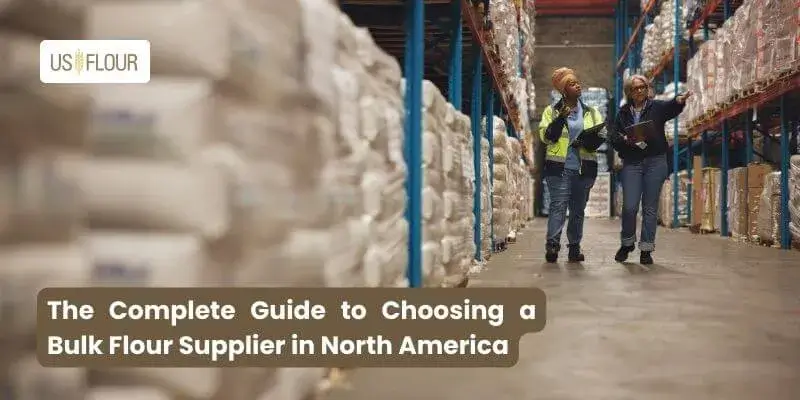
For commercial bakeries, food manufacturers, and wholesale distributors, flour is not just an ingredient—it is the foundation of daily operations. Choosing the right bulk flour supplier is a strategic decision that directly impacts product quality, production efficiency, cost control, and supply chain stability.
A reliable supplier keeps your operation running smoothly. The wrong one introduces variability, delays, and risk that eventually reach your customers. This guide outlines what truly matters when selecting a bulk flour supplier in North America, the questions you should be asking, and how the right partner supports long-term operational success.
Why Bulk Flour Sourcing is Important
Before diving into checklists, let us get one thing straight: you have to get it right. You do not just want flour you can buy. You want flour that arrives on time, meets specifications every time, and lets your production run without issues. That matters whether you are baking artisan loaves, producing packaged goods at scale, or supplying other businesses.
The right supplier is more than a retailer; they are a piece of your supply chain infrastructure. The wrong one will cause inventory risk, production delays, and unhappy customers.
Core Criteria When Choosing a Bulk Flour Supplier
These factors separate suppliers who merely sell flour from those who actively support your business.
1. Product Quality and Consistency
Inconsistent flour is a real headache. When protein levels fluctuate or moisture content varies, your dough behaves differently. For this reason, results shift, waste goes up, and production schedules get messy.
So:
- Know what types of flour you need (bread flour, all-purpose, whole wheat, specialty blends).
- Ask for technical specs and certificates of analysis (COAs).
- Request samples and run them through a test batch before committing to a contract size.
Quality validation is not optional—it is the baseline for any long-term supplier relationship.
2. Inventory and Delivery Reliability
He is where logistics becomes a real competitive edge. A supplier who owns their inventory and strategically places it across terminals close to customers reduces delivery lead times and helps you avoid stockouts. That is exactly what US FLOUR offers. They maintain surplus inventory in terminals nationwide so you can get what you need, when you need it.
If a supplier cannot clearly explain where inventory is stored, how quickly it can ship, or how they handle demand spikes, you are assuming unnecessary risk.
3. Supply Chain and Logistics Capabilities
In bulk purchasing, freight is a line item that can affect your business.
Top suppliers:
- Offer multiple delivery options: rail car, pneumatic tanker, full truckload, and even LTL on request.
- Provide logistics planning that reduces cost and delivery time.
- Work with competitive carriers that adapt to your production schedule.
Ask potential suppliers how they manage rush orders, weather disruptions, and seasonal demand surges. Their answers will quickly reveal whether they are built for high-volume, time-sensitive operations.
4. Communication and Account Services
It is tempting to overlook service when you are chasing price. But remember: communication failures cost more than a couple of dollars per tonne of flour.
The best suppliers:
- Responsive and honest with availability.
- Provide personal attention and not automatic bots.
- Get you in touch with people who know your business—not only order takers.
If communication feels slow, unclear, or transactional during the sales process, it will likely worsen once you are an active customer.
5. Industry Experience and Expertise
Experience matters, especially in flour, which is deceptively nuanced.
A seasoned supplier will:
- Help you with technical questions like mixing behavior, protein optimization, or custom blends.
- Offer guidance on silo unloading, storage conditions, and even mixing procedures.
- Know how to help when production quality issues arise.
That is a level of service you do not get from commodity brokers, and it is worth paying for.
Practical Steps to Evaluate Suppliers
Let us skip the theory and get straight to what actually works:
Step 1—Figure Out Exactly What You Need
How much flour do you use each month? What types are you after? Think protein levels, milling curves, certifications, and other similar items. Write it down. Getting this clear up front saves you from wasting time on suppliers who just cannot deliver what you want.
Step 2—Make a Shortlist
Check out industry directories, go to trade shows, and ask around for supplier recommendations. Pull together a tight list of real contenders. Some companies focus on bulk wheat, while others offer all sorts of options such as gluten-free, organic, specialty flours, and many more.
Step 3—Ask for Samples
Never buy a whole truckload before you have tested a few bags yourself. Run a lab test; do a quick bake trial. That is how you get real answers and feel confident about what you are getting.
Step 4 – Compare Pricing & Terms
Emphasize overall value, not price per tonnage. Cost of logistics, dependability, and the degree of flexibility of the contract terms should be factored in.
Step 5—Check Certifications and Compliance
Ensure that whatever you are buying is safe for human consumption and adheres to all regulatory guidelines that are applicable to your market.
Conclusion
Selecting the right bulk flour supplier is not about avoiding problems—it is about building a stable foundation for growth. The right partner understands your production schedule, delivers consistently, communicates clearly, and remains dependable even during market volatility.
That is the difference between a transactional supplier and a true supply chain partner.
US FLOUR is built to meet these standards, offering reliable inventory, nationwide logistics support, consistent quality, and experienced account management. To learn how US FLOUR can support your operation, contact our team today.